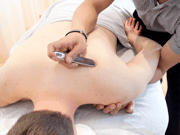
Graston Technique is an instrument-assisted soft tissue treatment in which a trained clinician uses six specially shaped stainless steel instruments to find and treat scar tissue, fascial adhesions and other soft tissue restrictions. It’s usually combined with stretching and strengthening as part of a wider treatment plan.
Graston Technique at Electra Health at a glance
Who: chiropractor Dr. Laura Gronkjaer, who uses Graston to help break up myofascial adhesions and restore range of motion
Where: Electra Health, 970 Burrard Street, MZ1, Vancouver, BC V6Z 2R4. Open 7 days a week, 7 AM to 9 PM.
Pain, injury, scar tissue, and dysfunction can be debilitating, how can Graston help?
Often repetitive strain, pain, and injury can lead to the development of scar tissue or adhered fascia. This scar tissue can limit our range of motion and exacerbate poor habitual posture and/or muscle guarding, which turns into dysfunction and chronic pain over time. Graston instruments aid the practitioner in locating soft tissue restrictions, fascial adhesions, or scar tissue similar to how a stethoscope amplifies the sound of the heartbeat. Then, by employing Dr. James Cyriax’s concept of cross-fiber massage, the instruments break up the scar tissue and allow the body to reabsorb it. This disrupts the pain-tension cycle and allows the body to begin its own healing, thereby creating pain-free range of motion and improved postural awareness.
How is Graston Technique utilized in a session?
After a thorough assessment of the client’s condition, and with the patient’s permission, the Graston Technique can easily be incorporated into treatment in conjunction with other modalities and techniques. However, all Graston practitioners must adhere to a basic protocol: general warm-up of affected tissues, Graston Technique application, followed by stretching, strengthening and ice. Suggested treatment frequency is twice a week for 4-5 weeks with possible positive observable treatment responses as early as after the third or fourth treatment.
Is Graston Technique painful?
During treatment application, patients may feel some discomfort or ‘therapeutic pain’. However, similar to deep tissue massage and Rolfing, this should feel like a positive experience instead of a painful and negative one. The practitioner should utilize the Graston Technique and instruments at an intensity level appropriate to effectively treat the soft tissue restrictions as well as at a level that is tolerable to the patient. The ‘no pain, no gain’ method of thinking is not necessary. Clear and open communication is always encouraged during a session.
Some minor bruising may occur after treatment but this is part of the natural healing response. Most patients shouldn’t be inhibited from activities of daily living after treatment and should be able to continue to function normally.
What do people book Graston Technique for?
Achilles Tendinosis/itis
Carpal Tunnel Syndrome
Cervical Sprain/Strain (neck pain)
Fibromyalgia
Lateral Epicondylosis/itis (Tennis Elbow)
Medial Epicondylosis/itis (Golfer’s Elbow)
Patellofemoral Disorders (knee pain)
Plantar Fasciitis (foot pain)
Rotator Cuff Teninosis/itis (shoulder pain)
Scar tissue
Shin Splints
Trigger Finger
Women’s Health (Post-Mastectomy and Caesarean Scarring)
How does Graston Technique differ from other methods?
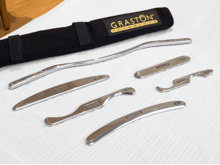
The 6 instruments have been carefully crafted to meet the needs of the therapist, as the shape of the instruments compliments the shape and contours of the human body allowing the therapist to access and treat scar tissue and fascial adhesions with precision and accuracy.
In addition, Graston Technique and instrument usage requires a mandatory educational component. Only clinical practitioners who have trained and been accredited in the Graston Technique may apply the technique and employ the instruments in their treatment sessions.
Where can you find more information about Graston Technique?
Chiropractor Dr. Laura Gronkjaer provides Graston Technique in downtown Vancouver, at Electra Health. You can make an online appointment via the link below.
Graston Technique FAQs
Is Graston Technique painful?
No. Most people feel pressure or mild discomfort, similar to deep tissue massage, but it shouldn’t feel painful. Your practitioner adjusts the intensity to what you can comfortably tolerate, and some minor bruising afterwards is a normal response.
Can I go about my day after Graston treatment?
Yes. Most people carry on with their normal daily activities right after treatment.
Is Graston Technique the same as massage?
No. Graston uses six specially designed stainless steel instruments to locate and treat scar tissue and fascial adhesions, and it’s combined with other hands-on care, stretching and strengthening.
Does Electra Health offer Graston Technique?
Yes. Chiropractor Dr. Laura Gronkjaer uses Graston Technique as part of her chiropractic care at Electra Health in downtown Vancouver.
Does Graston Technique usually take more than one session?
Yes. The standard Graston protocol suggests two sessions a week for four to five weeks, combined with stretching and strengthening.
Do practitioners need special training to use Graston Technique?
Yes. Only clinicians who have trained and been accredited in Graston Technique can use the instruments in treatment.
Graston Technique ®
Chiropractor Dr. Laura Gronkjaer provide Graston Technique in downtown Vancouver, at the Electra Health.
All about the Graston Technique
Is your body experiencing pain, injury, scar tissue and dysfunction? Have you tried a variety of treatments and found little relief? Ever heard of the Graston Technique?
Many healthcare practitioners and clinicians, including registered massage therapists, chiropractors, physiotherapists, athletic therapists and occupational therapist around the world utilize this instrument-assisted soft tissue mobilization technique in their sessions.
Graston Technique Vancouver Massage Therapy Clinic Electra Health – 970 Burrard Street, MZ1, Vancouver, BC V6Z 2R4 Open 7 days a week from 7 am to 9 pm 604-685-4325 (HEAL)
The Graston Technique integrates 6 specialized stainless steel instruments to access, detect and treat soft tissue dysfunctions in the body and assist the patient in recovery from pain and injury.
Pain, injury, scar tissue and dysfunction can be debilitating, how can Graston help?
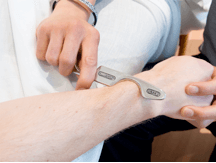
Often repetitive strain, pain and injury can lead to the development of scar tissue or adhered fascia. This scar tissue can limit our range of motion and exacerbate poor habitual posture and/or muscle guarding, which turns into dysfunction and chronic pain overtime. Graston instruments aid the practitioner in locating soft tissue restrictions, fascial adhesions or scar tissue similar to how a stethoscope amplifies the sound of the heartbeat. Then, by employing Dr. James Cyriax’s concept of cross-fibre massage, the instruments break up the scar tissue and allow the body to reabsorb it. This disrupts the pain-tension cycle and allows the body to begin its own healing, thereby creating pain free range of motion and improved postural awareness.
How is Graston Technique utilized in a session?
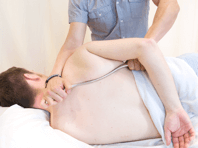
After a thorough assessment of the client’s condition, and with the patient’s permission, the Graston Technique can easily be incorporated into treatment in conjunction with other modalities and techniques. However, all Graston practitioners must adhere to a basic protocol: general warm-up of affected tissues, Graston Technique application, followed by stretching, strengthening and ice. Suggested treatment frequency is twice a week for 4-5 weeks with possible positive observable treatment responses as early as after the third or fourth treatment.
Graston Technique Vancouver Massage Therapy Clinic Electra Health – 970 Burrard Street, MZ1, Vancouver, BC V6Z 2R4 Open 7 days a week from 7 am to 9 pm 604-685-4325 (HEAL)
[book-online]
Is Graston Technique painful?
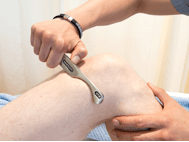
During treatment application, patients may feel some discomfort or ‘therapeutic pain’. However, similar to deep tissue massage and Rolfing, this should feel like a positive experience instead of a painful and negative one. The practitioner should utilize the Graston Technique and instruments at an intensity level appropriate to effectively treat the soft tissue restrictions as well as at a level that is tolerable to the patient. The ‘no pain, no gain’ method of thinking is not necessary. Clear and open communication is always encouraged during a session.
Some minor bruising may occur after treatment but this is part of the natural healing response. Most patients shouldn’t be inhibited from activities of daily living after treatment and should be able to continue to function normally. What conditions can Graston Technique help with?
Graston Technique is clinically proven to achieve quicker and better outcomes in treating:

Achilles Tendinosis/itis
Carpal Tunnel Syndrome
Cervical Sprain/Strain (neck pain)
Fibromyalgia
Lateral Epicondylosis/itis (Tennis Elbow)
Medial Epicondylosis/itis (Golfer’s Elbow)
Patellofemoral Disorders (knee pain)
Plantar Fasciitis (foot pain)
Rotator Cuff Teninosis/itis (shoulder pain)
Scar tissue
Shin Splints
Trigger Finger
Women’s Health (Post-Mastectomy and Caesarean Scarring)
How does Graston Technique differ from other methods?
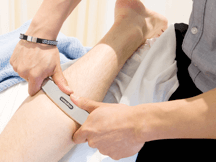
The 6 instruments have been carefully crafted to meet the needs of the therapist, as the shape of the instruments compliments the shape and contours of the human body allowing the therapist to access and treat scar tissue and fascial adhesions with precision and accuracy.
In addition, Graston Technique and instrument usage requires a mandatory educational component. Only clinical practitioners who have trained and been accredited in the Graston Technique may apply the technique and employ the instruments in their treatment sessions.
Chiropractor Dr. Laura Gronkjaerprovide Graston Technique in downtown Vancouver, at the Electra Health. You can make an online appointment via the link below.